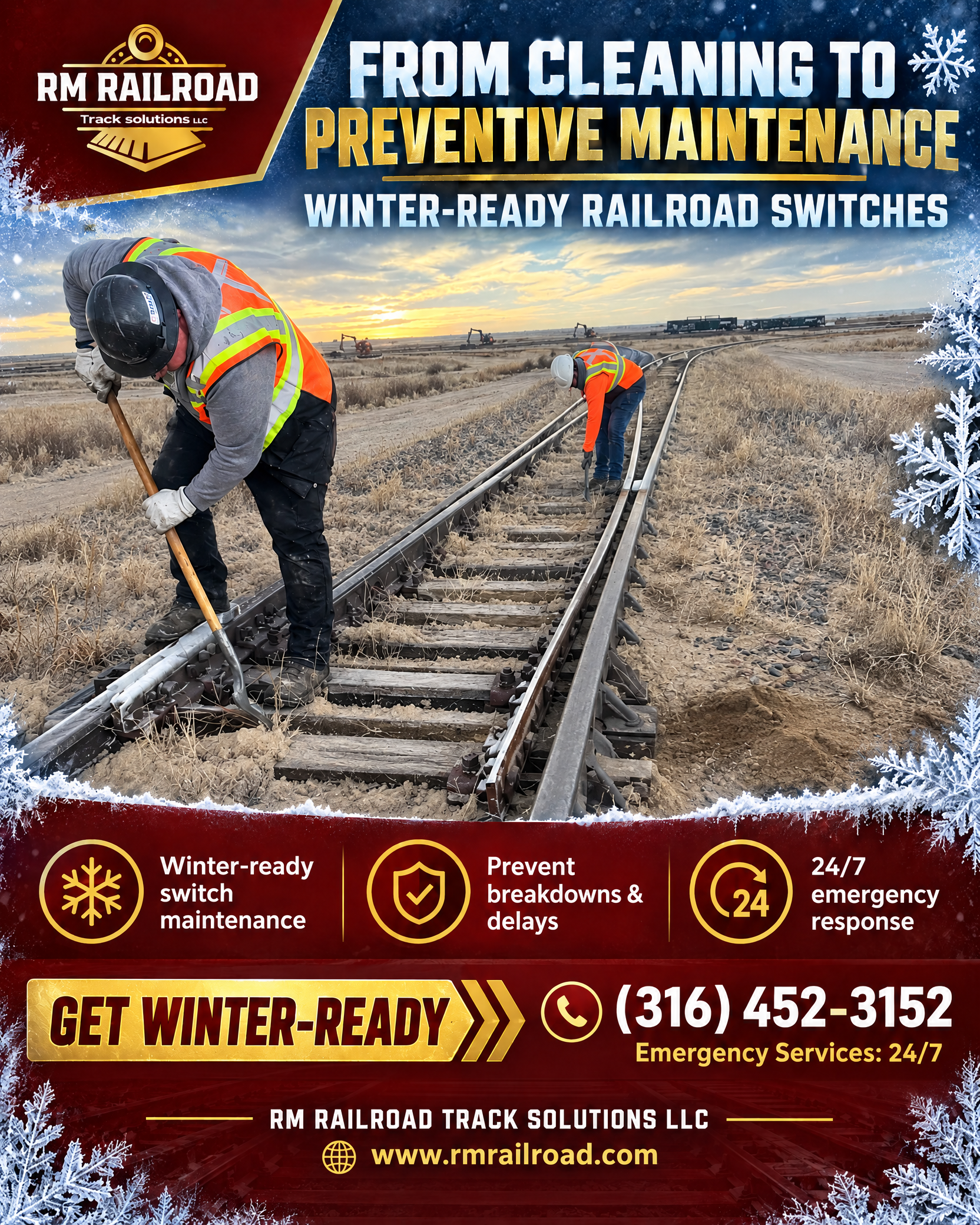

When people think about transportation safety, they often picture seat belts, traffic signals, or airplane inspections. Railroads rarely get the spotlight, yet they quietly move massive amounts of freight and millions of passengers every year. Behind every smooth train ride is a complex system that relies heavily on regular upkeep. Understanding How railroad maintenance improves transportation safety helps explain why consistent care of tracks, trains, and equipment matters so much to everyday life.
This article breaks it down in a clear, friendly way so you can see how maintenance work directly protects people, cargo, and communities.
Why Railroad Safety Depends on Maintenance
Railroads operate under intense demands. Trains are heavy, travel long distances, and run in all kinds of weather. Even small issues can become serious risks if they are not addressed early.
According to the Federal Railroad Administration, track defects and equipment issues remain among the leading contributors to train accidents in the United States. The encouraging part is that many of these incidents are preventable with proper inspection and maintenance.
Maintenance is not just routine work. It is a frontline safety strategy.
Track Maintenance Prevents Derailments
Tracks are the foundation of the entire rail system. Over time, rails experience stress from weight, temperature changes, and constant vibration.
Regular track maintenance includes:
-
Inspecting rails for cracks or wear
-
Checking alignment and spacing
-
Replacing damaged ties
-
Maintaining ballast to support stability
These steps help prevent derailments, which are among the most dangerous rail incidents. When tracks are kept in good condition, trains stay on course and operate more predictably.
Inspection Programs Catch Problems Early
One of the biggest advantages of modern railroad maintenance is early detection. Inspections happen far more frequently than most people realize.
Rail operators use:
-
Visual inspections by trained crews
-
Automated track inspection vehicles
-
Ultrasonic testing to detect internal rail flaws
-
Drone and sensor technology in hard to reach areas
The Association of American Railroads reports that railroads invest billions annually in inspection and maintenance programs. These efforts help identify risks before they turn into emergencies.
Equipment Maintenance Protects Passengers and Cargo
Safety is not just about the tracks. Locomotives and railcars also require constant care to perform reliably.
Key equipment maintenance areas include:
-
Braking systems
-
Wheels and axles
-
Couplers and suspension systems
-
Signaling and communication components
Well-maintained equipment stops more efficiently, handles weight properly, and responds accurately to controls. This is a major factor in how railroad maintenance improves transportation safety across both passenger and freight networks.
Weather Preparedness Reduces Seasonal Risks
Railroads operate year-round, which means maintenance must account for changing weather conditions.
Seasonal maintenance focuses on:
-
Heat-related rail expansion in summer
-
Ice and snow buildup in winter
-
Flood prevention and drainage control
-
Vegetation management during growing seasons
Proactive seasonal work helps reduce accidents caused by extreme temperatures or severe weather events. Prepared infrastructure performs better when conditions become challenging.
Signaling and Communication Systems Matter
Modern rail safety depends heavily on signaling and communication technology. These systems control train movement and help prevent collisions.
Maintenance of signaling systems includes:
-
Regular testing of signals and switches
-
Software updates and calibration
-
Backup power checks
-
Monitoring communication networks
When signaling systems work correctly, trains maintain safe distances and follow controlled routes. This invisible layer of safety is critical to smooth operations.
Worker Training Strengthens Maintenance Quality
Railroad maintenance is highly specialized work. Skilled workers are essential to identifying risks and applying the right solutions.
Ongoing training helps workers:
-
Stay updated on safety standards
-
Learn new inspection technologies
-
Respond effectively to unusual conditions
-
Follow consistent maintenance procedures
The Federal Railroad Administration emphasizes that training and qualification programs are central to improving overall rail safety outcomes.
Preventive Maintenance Reduces Emergency Repairs
Emergency repairs are costly and risky. Preventive maintenance focuses on fixing issues before they disrupt service or create hazards.
Benefits of preventive maintenance include:
-
Fewer service interruptions
-
Lower risk of sudden failures
-
Better long-term infrastructure performance
-
Improved public confidence in rail transport
This approach keeps railroads operating safely and efficiently while reducing the likelihood of high-impact incidents.
Safer Railroads Support Safer Communities
Rail lines often run through cities, towns, and rural areas. When railroads are well maintained, the surrounding communities benefit.
Community safety improvements include:
-
Reduced risk at rail crossings
-
Lower chances of hazardous material incidents
-
More predictable train schedules
-
Less noise and vibration from damaged tracks
Strong maintenance programs help railroads coexist more safely with nearby neighborhoods.
Environmental Benefits Connect to Safety
Well-maintained rail systems also support environmental safety. Efficient trains produce fewer emissions and reduce the need for emergency responses that can harm ecosystems.
Smooth rail operations:
-
Reduce fuel waste
-
Minimize leaks and spills
-
Support sustainable freight movement
This connection between maintenance, safety, and environmental responsibility is often overlooked.
Technology Is Changing Railroad Maintenance
Advances in technology are transforming how maintenance is performed. Data-driven systems allow rail operators to predict problems instead of reacting to them.
Modern tools include:
-
Predictive analytics based on usage data
-
Real-time monitoring sensors
-
Automated inspection systems
-
AI-assisted maintenance planning
These innovations continue to strengthen how railroad maintenance improves transportation safety in the modern era.
A Clear Takeaway for Everyday Travelers
Railroad maintenance may happen behind the scenes, but its impact is felt every day. From preventing derailments to ensuring reliable signaling, consistent upkeep protects passengers, workers, and communities alike. Understanding how railroad maintenance improves transportation safety highlights why investment in inspections, training, and technology matters so much.
When rail systems are maintained with care and foresight, trains move more safely, goods arrive more reliably, and communities stay better protected. It is a quiet effort with powerful results.