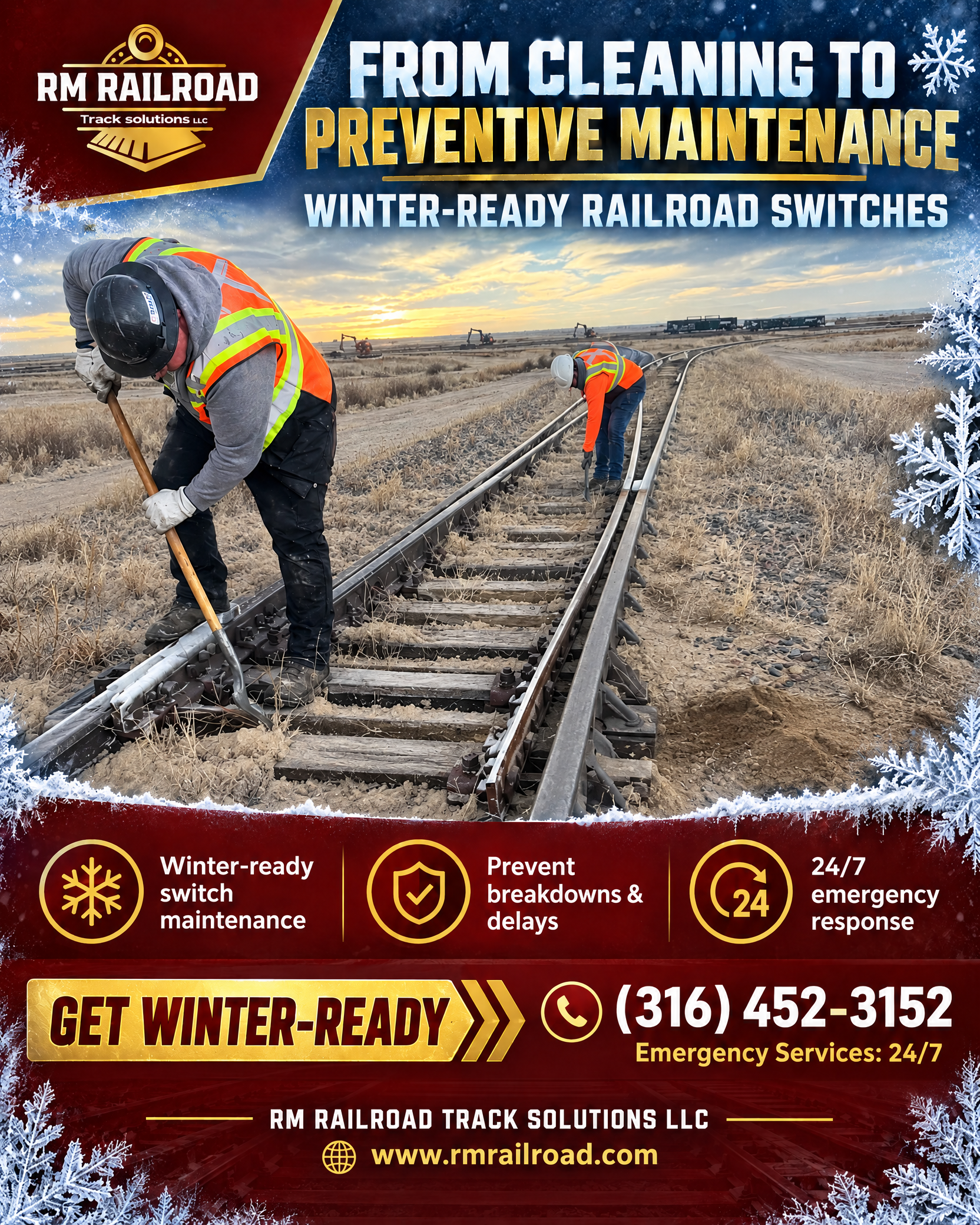

Every day, freight trains transport enormous quantities of goods across cities, states, and even entire countries. From food and automobiles to construction materials and consumer products, railroads play a critical role in keeping supply chains running efficiently. While many people notice long freight trains passing through towns, fewer realize the extensive planning, technology, and safety procedures that make these operations possible.
Safety is at the heart of every freight movement. Railroads invest heavily in infrastructure, employee training, equipment maintenance, and advanced technology to help ensure cargo reaches its destination safely and efficiently.
If you’ve ever wondered how railroads keep freight moving safely, this guide explains the systems, practices, and innovations that support one of the world’s most dependable transportation networks.
Why Rail Safety Matters
Freight rail moves millions of tons of cargo every year, making safety essential for protecting employees, communities, and the goods being transported.
According to the Federal Railroad Administration, continuous investments in track maintenance, inspections, employee training, and safety technology have contributed to long-term improvements in railroad safety across the United States.
Every shipment depends on careful coordination from the moment cargo is loaded until it reaches its final destination.
Regular Track Inspections Keep Railroads Reliable
Safe rail transportation begins with well-maintained tracks.
Railroads conduct frequent inspections to identify issues before they become serious problems.
Inspectors check for:
- Rail wear
- Loose fasteners
- Damaged ties
- Track alignment
- Ballast condition
- Bridge integrity
Many railroads also use specialized inspection vehicles equipped with sensors and imaging technology to detect defects that may not be visible during routine visual inspections.
Preventive maintenance helps reduce disruptions and supports safe operations.
Advanced Signaling Systems Improve Safety
Modern signaling technology plays an important role in preventing accidents.
Railroad signaling systems help:
- Maintain safe train spacing
- Control train movements
- Reduce collision risks
- Manage traffic efficiently
- Improve communication between dispatchers and train crews
These systems provide real-time information that allows trains to operate safely across busy rail networks.
Technology continues to improve the accuracy and reliability of railroad operations.
Positive Train Control Adds Another Layer of Protection
One of the biggest advancements in railroad safety is Positive Train Control, often called PTC.
Positive Train Control is designed to help prevent certain types of accidents by automatically controlling train movements when necessary.
It can assist with situations involving:
- Excessive speed
- Train-to-train collisions
- Unauthorized movement into work zones
- Movement through improperly aligned switches
The Federal Railroad Administration identifies Positive Train Control as an important technology for improving railroad safety across qualifying rail systems.
Thorough Equipment Inspections
Understanding how railroads keep freight moving safely also means recognizing the importance of equipment maintenance.
Before trains leave rail yards, crews inspect important components such as:
- Wheels
- Brakes
- Couplers
- Air hoses
- Safety devices
- Locomotive systems
Routine inspections continue throughout a train’s journey to identify potential issues early.
Well-maintained equipment reduces the likelihood of mechanical failures.
Careful Freight Loading Practices
Proper cargo loading is essential for safe transportation.
Railroad workers carefully distribute weight to maintain train stability.
Loading procedures often include:
- Securing cargo
- Balancing weight
- Following equipment guidelines
- Verifying load limits
- Inspecting tie-down systems
Improperly loaded freight can affect train handling, making careful preparation a key part of rail safety.
Specialized railcars are also designed for different types of cargo, including liquids, automobiles, agricultural products, and oversized equipment.
Employee Training Supports Safe Operations
Railroad employees receive ongoing training throughout their careers.
Training may cover:
- Operating procedures
- Emergency response
- Equipment inspections
- Hazard recognition
- Communication protocols
- Regulatory compliance
Regular refresher courses help employees stay current with evolving safety standards and operating practices.
Experienced personnel remain one of the industry’s greatest safety assets.
Dispatch Centers Coordinate Rail Traffic
Behind every moving freight train is a team of dispatchers managing rail traffic.
Dispatch centers monitor:
- Train locations
- Track availability
- Weather conditions
- Maintenance activities
- Traffic flow
Constant communication between dispatchers and train crews helps keep freight moving safely while minimizing delays.
Advanced computer systems provide real-time information across large rail networks.
Weather Monitoring Helps Reduce Risk
Weather can significantly affect railroad operations.
Railroads monitor conditions such as:
- Heavy rain
- Flooding
- Snow
- Ice
- High winds
- Extreme heat
When necessary, railroads adjust train speeds or inspect tracks before normal operations resume.
Preparing for changing weather conditions helps protect both infrastructure and cargo.
Technology Continues to Improve Rail Safety
Modern railroads increasingly rely on technology to support inspections and maintenance.
Innovations include:
- Track geometry vehicles
- Thermal imaging
- Drone inspections
- Wheel monitoring systems
- Automated track sensors
- Digital maintenance records
These tools help identify potential concerns before they affect train operations.
Predictive maintenance also allows railroads to address wear before failures occur.
Safety at Railroad Crossings
Public railroad crossings remain an important focus for rail safety.
Railroads work alongside local governments to improve crossing safety through:
- Warning lights
- Crossing gates
- Pavement markings
- Signage
- Public education campaigns
Drivers and pedestrians also play an important role by obeying crossing signals and never attempting to cross tracks when warning devices are activated.
Safe crossings benefit both communities and rail operations.
Environmental Benefits of Freight Rail
While safety is the primary focus, freight rail also offers environmental advantages.
According to the Association of American Railroads, freight trains can move one ton of freight more than 470 miles on average using a single gallon of fuel.
Greater fuel efficiency helps reduce emissions while supporting large-scale freight transportation.
This efficiency makes rail an important part of modern logistics networks.
Common Misconceptions About Freight Rail Safety
Some people assume freight rail operates with minimal oversight.
In reality, railroads follow extensive safety regulations covering:
- Equipment inspections
- Employee qualifications
- Operating procedures
- Infrastructure maintenance
- Hazardous materials transportation
- Emergency preparedness
Continuous improvement remains a central goal throughout the rail industry.
Final Thoughts
Learning how railroads keep freight moving safely reveals just how much planning, technology, maintenance, and teamwork are involved in every shipment. From regular track inspections and advanced signaling systems to employee training and careful cargo loading, each part of the rail network contributes to safe and reliable freight transportation.
As technology continues to evolve, railroads are finding new ways to improve efficiency while maintaining high safety standards. Whether transporting raw materials, consumer goods, or industrial equipment, freight rail remains one of the most dependable ways to keep supply chains moving and communities connected.