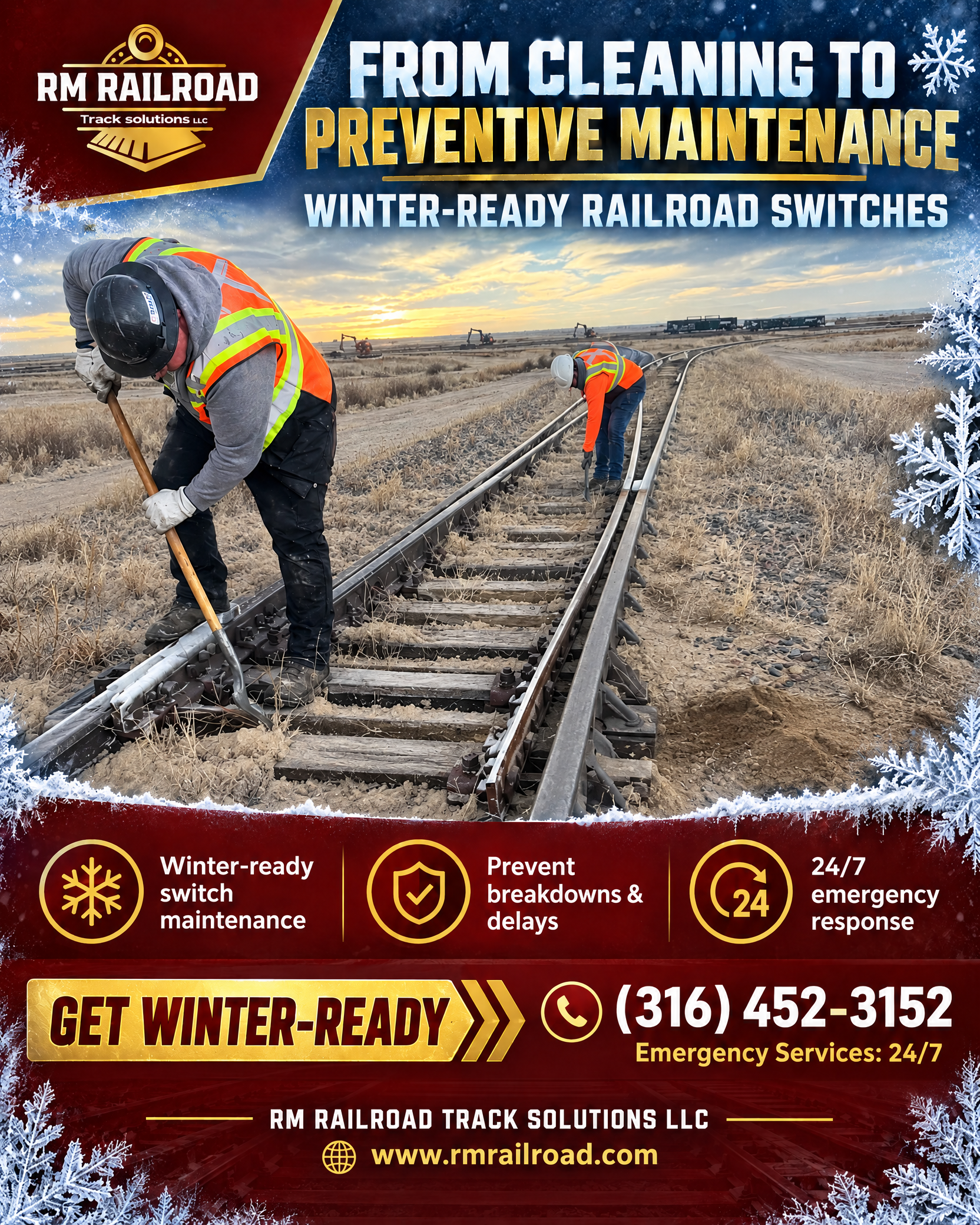

Have you ever wondered how goods travel thousands of kilometers without interruption? From raw materials to finished products, freight trains quietly power global trade every single day. Behind that smooth movement lies a system that needs constant care and attention. Without proper upkeep, even a small issue on the tracks can cause major delays.
That is where maintaining rail infrastructure for freight routes becomes essential. It is not just about fixing problems when they appear. It is about preventing them in the first place so that supply chains stay reliable and efficient.
Let’s take a closer look at what goes into keeping these critical networks running.
Why Rail Infrastructure Maintenance Matters
Rail freight is one of the most efficient ways to move large volumes of goods over land. It uses less fuel per ton compared to road transport and produces lower emissions. However, this efficiency depends heavily on well maintained infrastructure.
According to the International Energy Agency, rail transport can be up to four times more energy efficient than road freight in certain conditions. That makes it a key player in sustainable logistics.
But efficiency quickly drops when tracks, signals, or equipment are not properly maintained. Poor conditions can lead to slower speeds, increased wear on trains, and even safety risks. This is why maintaining rail infrastructure for freight routes is such a high priority for operators worldwide.
Key Components That Require Regular Maintenance
Rail systems are more complex than they might appear at first glance. Each component plays a role in ensuring smooth operations.
Here are the main areas that need attention:
- Tracks and rails which handle constant heavy loads
- Sleepers and ballast that support and stabilize the track
- Signaling systems that manage train movement
- Bridges and tunnels that require structural monitoring
- Level crossings where rail meets road traffic
Each of these elements experiences wear over time, especially on busy freight routes where trains run frequently and carry heavy loads.
Common Challenges in Freight Rail Maintenance
Maintaining rail infrastructure is not always straightforward. Freight routes often cover long distances and pass through varied terrain, which adds complexity.
Some common challenges include:
- Heavy axle loads that accelerate track wear
- Extreme weather conditions such as heat, rain, or flooding
- Limited maintenance windows due to continuous train operations
- Aging infrastructure in older rail networks
For example, high temperatures can cause rails to expand, which may lead to track misalignment if not managed properly. On the other hand, excessive rainfall can weaken the ballast and reduce track stability.
These challenges highlight why maintaining rail infrastructure for freight routes requires both planning and adaptability.
Preventive Maintenance Makes a Big Difference
One of the most effective strategies in rail management is preventive maintenance. Instead of waiting for something to break, teams regularly inspect and service infrastructure to catch issues early.
This includes:
- Routine track inspections using specialized vehicles
- Ultrasonic testing to detect internal rail flaws
- Scheduled replacement of worn components
- Monitoring track geometry for alignment issues
Preventive maintenance not only reduces the risk of accidents but also lowers long term costs. Fixing a small issue early is always easier than dealing with a major failure later.
The Role of Technology in Modern Rail Maintenance
Technology is transforming how rail systems are maintained. Today, many operators rely on advanced tools to improve accuracy and efficiency.
Some examples include:
- Drones for inspecting hard to reach areas like bridges
- Sensors that monitor vibration and track conditions in real time
- Data analytics to predict when maintenance is needed
- Automated machines for track repair and alignment
These innovations help reduce downtime and improve safety. They also make maintaining rail infrastructure for freight routes more proactive rather than reactive.
Balancing Efficiency and Safety
Freight operators face a constant balancing act. On one hand, they need to keep trains moving to meet demand. On the other hand, they must ensure the highest safety standards.
This balance is achieved by:
- Scheduling maintenance during low traffic periods
- Using fast repair technologies to minimize disruptions
- Coordinating closely with logistics teams
Safety always comes first. Even a short delay is preferable to risking an incident that could impact lives and disrupt supply chains on a much larger scale.
Environmental Benefits of Well Maintained Rail Systems
Good maintenance is not just about performance and safety. It also supports environmental goals.
Well maintained tracks:
- Reduce friction which improves fuel efficiency
- Allow trains to operate at optimal speeds
- Lower emissions by minimizing energy waste
As countries aim to reduce carbon footprints, efficient rail systems play a crucial role. Keeping infrastructure in top condition ensures that rail remains a greener alternative to road transport.
Workforce and Skills Behind the Scenes
Behind every smooth running freight train is a skilled workforce. Engineers, inspectors, and maintenance crews work tirelessly to keep everything in order.
Their responsibilities include:
- Inspecting tracks and equipment
- Operating maintenance machinery
- Responding to emergencies
- Planning long term upgrades
Training and experience are critical in this field. As technology evolves, workers also need to adapt and learn new systems.
Simple Ways Rail Operators Improve Longevity
Extending the life of rail infrastructure is a key goal for operators. A few smart practices can make a big difference.
For instance:
- Using high quality materials that withstand heavy loads
- Applying protective coatings to prevent corrosion
- Improving drainage systems to protect track stability
- Regularly updating outdated components
These steps help ensure that infrastructure remains reliable even under demanding conditions.
Final Thoughts
Maintaining rail infrastructure for freight routes is one of those behind the scenes efforts that keeps the world moving. While it may not always be visible, its impact is everywhere, from the products on store shelves to the materials used in construction and manufacturing.
By focusing on preventive care, embracing technology, and investing in skilled teams, rail operators can keep freight networks running smoothly and safely. The result is a system that supports economic growth while also moving toward a more sustainable future.
In the end, it is not just about tracks and trains. It is about reliability, efficiency, and the quiet systems that keep everything connected.