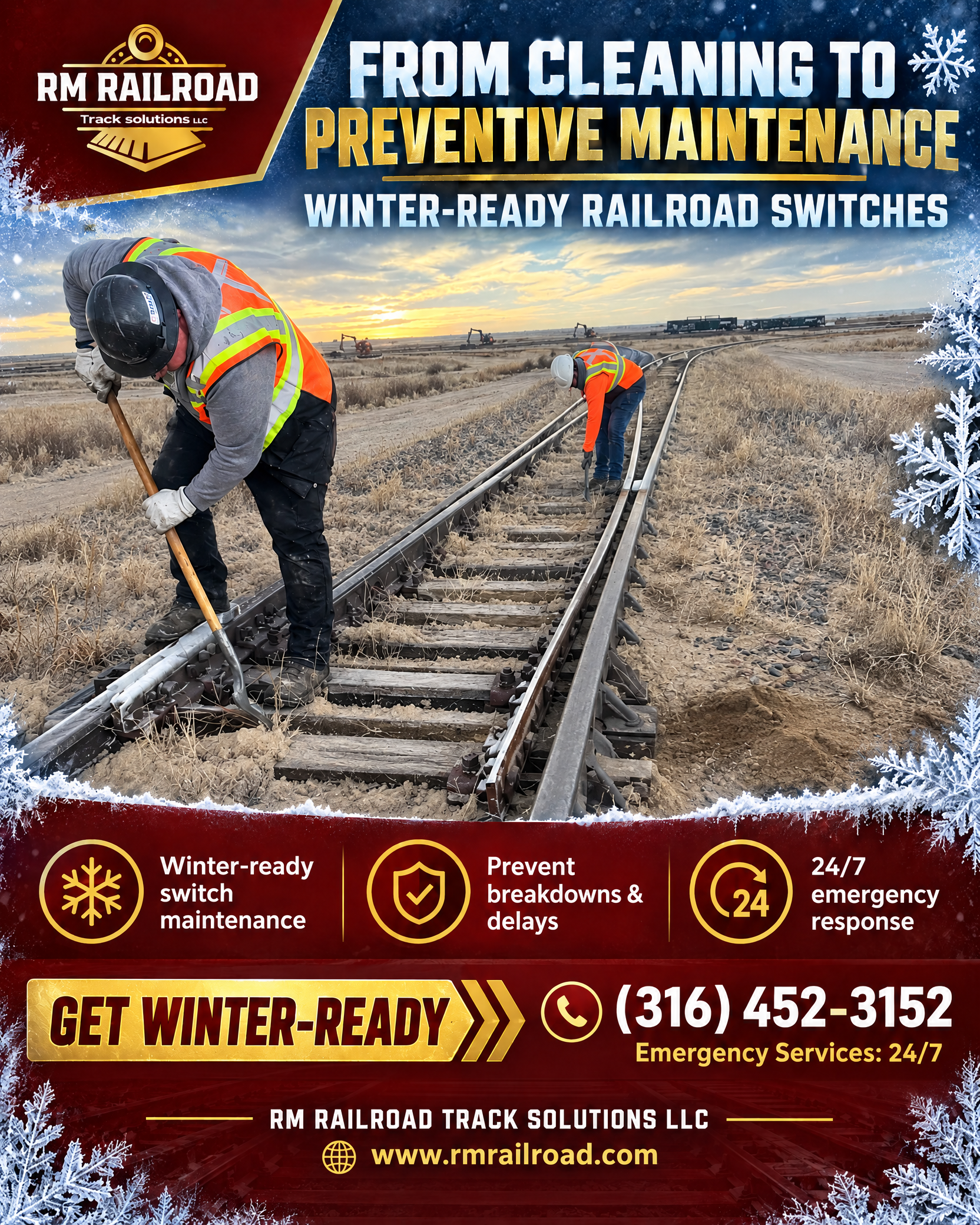

Railways continue to play a major role in transportation, trade, and urban development around the world. Whether it is for passenger transit, freight movement, or industrial operations, reliable railway infrastructure depends heavily on proper track systems. That is why new track construction is such an important part of modern transportation projects.
Building railway tracks is far more complex than simply laying steel rails on the ground. It involves engineering, safety planning, drainage systems, and long-term durability considerations. According to the International Union of Railways, rail transport remains one of the most energy-efficient forms of mass transportation, which is why many countries continue expanding rail networks to support growing populations and trade demands.
Let’s look at how this process works and why it matters for long-term railway performance.
What Is New Track Construction
New track construction is the process of building entirely new railway tracks and supporting infrastructure for transportation systems. It includes preparing the land, installing foundations, placing rails, and ensuring the system meets operational and safety standards.
This process usually involves:
- Ground preparation and grading
- Drainage and soil stabilization
- Installation of ballast and sleepers
- Rail alignment and fastening
- Safety testing and inspection
Each stage is critical because even small alignment issues can affect train safety and efficiency.
Why New Track Construction Is Important
Railway tracks are the foundation of the entire rail system. Poorly built tracks can lead to delays, excessive maintenance, and safety risks.
Proper new track construction helps:
- Improve train safety and operational stability
- Support higher speeds and smoother travel
- Reduce long-term maintenance costs
- Increase transportation efficiency
- Support economic and industrial growth
Modern rail systems rely on precision engineering to ensure reliability over many years of heavy use.
The Main Stages of New Track Construction
Building a railway track follows a structured engineering process designed to ensure durability and performance.
Site Preparation and Surveying
Before construction begins, engineers inspect and prepare the route.
This stage includes:
- Land surveying and measurements
- Soil testing and stability checks
- Clearing vegetation and obstacles
- Designing drainage systems
A stable foundation is essential because tracks must handle heavy loads continuously.
Foundation and Ballast Installation
Once the ground is prepared, the base structure is installed.
This usually involves:
- Compacting the subgrade for support
- Adding crushed stone ballast for drainage and stability
- Positioning sleepers evenly across the route
Ballast helps distribute weight and keeps tracks aligned over time.
Rail Placement and Alignment
After the base is ready, steel rails are positioned and secured.
This process includes:
- Installing rails onto sleepers
- Fastening rails with clips or spikes
- Aligning tracks precisely for smooth operation
- Welding rail sections where necessary
Track alignment is one of the most critical stages because precision directly affects train movement.
Testing and Safety Inspection
Before the track becomes operational, extensive testing is performed.
This includes:
- Measuring alignment and track geometry
- Checking stability under load
- Inspecting fasteners and welds
- Verifying drainage and safety systems
Only after passing inspections can the railway be approved for service.
Materials Used in New Track Construction
Modern railway systems use durable materials designed to handle long-term stress and environmental exposure.
Common materials include:
- Steel rails for strength and durability
- Concrete or wooden sleepers for support
- Crushed stone ballast for stability
- Fastening systems to secure alignment
The quality of these materials directly impacts maintenance needs and operational lifespan.
Challenges in New Track Construction
Large rail projects often face technical and environmental challenges that require careful planning.
Common issues include:
- Difficult terrain or unstable soil conditions
- Weather delays during construction
- Environmental impact considerations
- High costs of materials and equipment
- Maintaining precise alignment over long distances
Engineering teams must address these challenges while ensuring safety and efficiency.
Benefits of Modern Railway Track Systems
Advancements in railway engineering have improved the quality and lifespan of new tracks significantly.
Modern new track construction provides:
- Smoother and quieter train travel
- Higher operational speeds
- Better load handling for freight transport
- Reduced wear and maintenance requirements
- Improved long-term reliability
These improvements support growing transportation demands worldwide.
Final Thoughts
New track construction is the backbone of reliable railway infrastructure. From foundation preparation to final alignment testing, every step plays a role in ensuring safety, efficiency, and long-term durability.
As cities expand and transportation needs grow, rail systems continue to become more important for moving people and goods efficiently. Well-constructed tracks are what make that movement possible.
In the end, strong railway infrastructure starts from the ground up, and proper track construction is where everything begins.