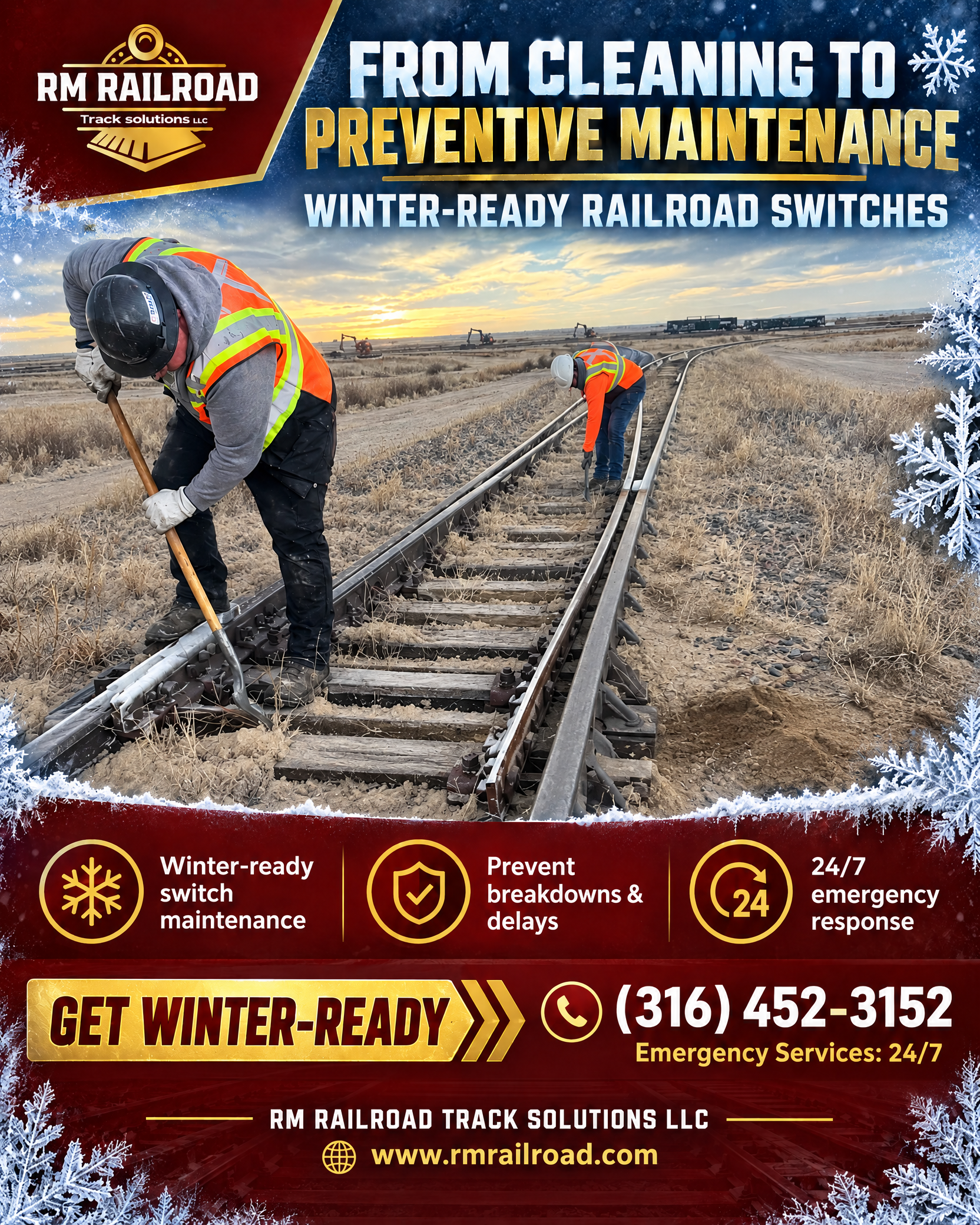

Railroads play a huge role in how goods and materials move across cities, countries, and even continents. Every day, trains carry everything from construction materials and fuel to food and industrial equipment. While passengers often notice the trains themselves, much of the real work happens behind the scenes. Tracks must be carefully built, regularly inspected, and consistently maintained. That is where railroad construction and maintenance support becomes essential.
Without proper construction and maintenance, rail systems cannot operate safely or efficiently. Even small issues with track alignment or structural components can affect train performance. Because of this, rail companies rely on skilled teams and modern equipment to keep tracks in good condition.
According to the Association of American Railroads, freight railroads in the United States alone invest billions of dollars every year in maintaining and upgrading their networks. This ongoing investment highlights how important reliable infrastructure is for the entire transportation industry.
Let us explore why railroad construction and maintenance support plays such a critical role in modern rail systems and how it helps keep trains moving safely every day.
The Basics of Railroad Construction
Building a railroad track involves much more than simply laying down rails. It requires careful planning, precise engineering, and durable materials that can handle heavy loads and constant movement.
A typical railroad track includes several key components:
-
Rails that guide the train wheels
-
Wooden or concrete ties that support the rails
-
Ballast, which is crushed stone that stabilizes the track
-
Subgrade layers that support the entire structure
Each part must work together to create a stable surface for trains that may weigh thousands of tons.
Construction teams must also consider factors such as soil conditions, drainage systems, and terrain. In mountainous or uneven regions, additional engineering may be needed to ensure safe track alignment.
All of these tasks rely on professional railroad construction and maintenance support to ensure the track system remains stable and safe for long term use.
Why Maintenance Is Just as Important as Construction
Building a railway is only the first step. Over time, heavy trains, weather conditions, and natural ground movement can slowly affect track stability. Without regular inspections and repairs, even small problems can grow into larger safety risks.
Routine maintenance activities often include:
-
Inspecting rails for cracks or wear
-
Replacing damaged ties
-
Adjusting track alignment
-
Clearing debris from rail corridors
-
Maintaining drainage systems
The Federal Railroad Administration emphasizes that consistent maintenance is one of the most effective ways to reduce rail accidents and improve operational safety.
Reliable railroad construction and maintenance support ensures that these tasks are completed regularly and efficiently.
The Role of Skilled Workers in Rail Projects
Railroad construction and maintenance require specialized knowledge and training. Workers must understand engineering principles, heavy equipment operation, and strict safety procedures.
Typical roles involved in rail projects include:
-
Track inspectors
-
Equipment operators
-
Civil engineers
-
Construction supervisors
-
Maintenance technicians
These professionals work together to ensure the rail network remains safe and functional.
Working around heavy machinery and active rail lines also requires strict safety awareness. Teams follow detailed procedures to protect workers and prevent disruptions to rail operations.
Because of the complexity involved, experienced railroad construction and maintenance support teams are essential for both new rail projects and ongoing repairs.
Modern Equipment Used in Rail Maintenance
Technology has greatly improved how railroads are built and maintained. Modern machinery allows crews to complete work faster while maintaining high levels of accuracy.
Some commonly used equipment includes:
-
Track tampers that pack ballast under the rails
-
Rail grinders that smooth rail surfaces
-
Ballast regulators that shape and distribute track stone
-
Specialized inspection vehicles that monitor track conditions
These machines help maintain track stability and improve ride quality for trains.
Advanced monitoring systems can also detect small track issues before they become major problems. This proactive approach allows rail companies to schedule maintenance more efficiently.
Technology has become an important part of effective railroad construction and maintenance support.
Environmental and Economic Benefits of Rail Transport
Railroads are one of the most efficient ways to transport large quantities of goods. According to the International Energy Agency, rail transport produces significantly fewer greenhouse gas emissions per ton of freight compared to road transportation.
This makes rail an environmentally friendly option for moving cargo across long distances.
Strong rail infrastructure also supports economic growth. Reliable rail networks allow industries to transport materials quickly and efficiently, which helps businesses operate smoothly.
By investing in railroad construction and maintenance support, transportation companies ensure that these economic and environmental benefits continue.
Challenges in Railroad Maintenance
Maintaining rail infrastructure is not always easy. Several challenges can affect construction and maintenance work.
Some common issues include:
-
Extreme weather conditions
-
Heavy train traffic causing track wear
-
Aging infrastructure
-
Difficult terrain in remote areas
Rail maintenance teams must plan carefully to manage these challenges while keeping rail lines operational.
Scheduling repairs without disrupting train schedules requires careful coordination and planning.
These challenges highlight why professional railroad construction and maintenance support is essential for keeping rail systems reliable.
The Future of Railroad Infrastructure
Rail transportation continues to evolve as technology improves and transportation needs grow. Many countries are investing in rail expansion projects and infrastructure upgrades.
Future improvements may include:
-
High speed rail systems
-
Advanced track monitoring technology
-
More durable construction materials
-
Automated inspection tools
These developments aim to make rail systems safer, faster, and more efficient.
As rail networks expand, the need for reliable railroad construction and maintenance support will remain critical to ensuring long term performance.
Conclusion
Railroads are a vital part of modern transportation, connecting industries, cities, and supply chains across large distances. Behind every successful rail journey is a complex system of tracks that must be carefully constructed and maintained.
From building strong foundations to performing regular inspections and repairs, rail professionals play an essential role in keeping trains moving safely.
With the help of skilled workers, modern equipment, and consistent investment, railroad construction and maintenance support ensures that rail systems remain dependable for both freight and passenger transportation.
As global transportation demands continue to grow, strong rail infrastructure will remain a key part of efficient and sustainable logistics.