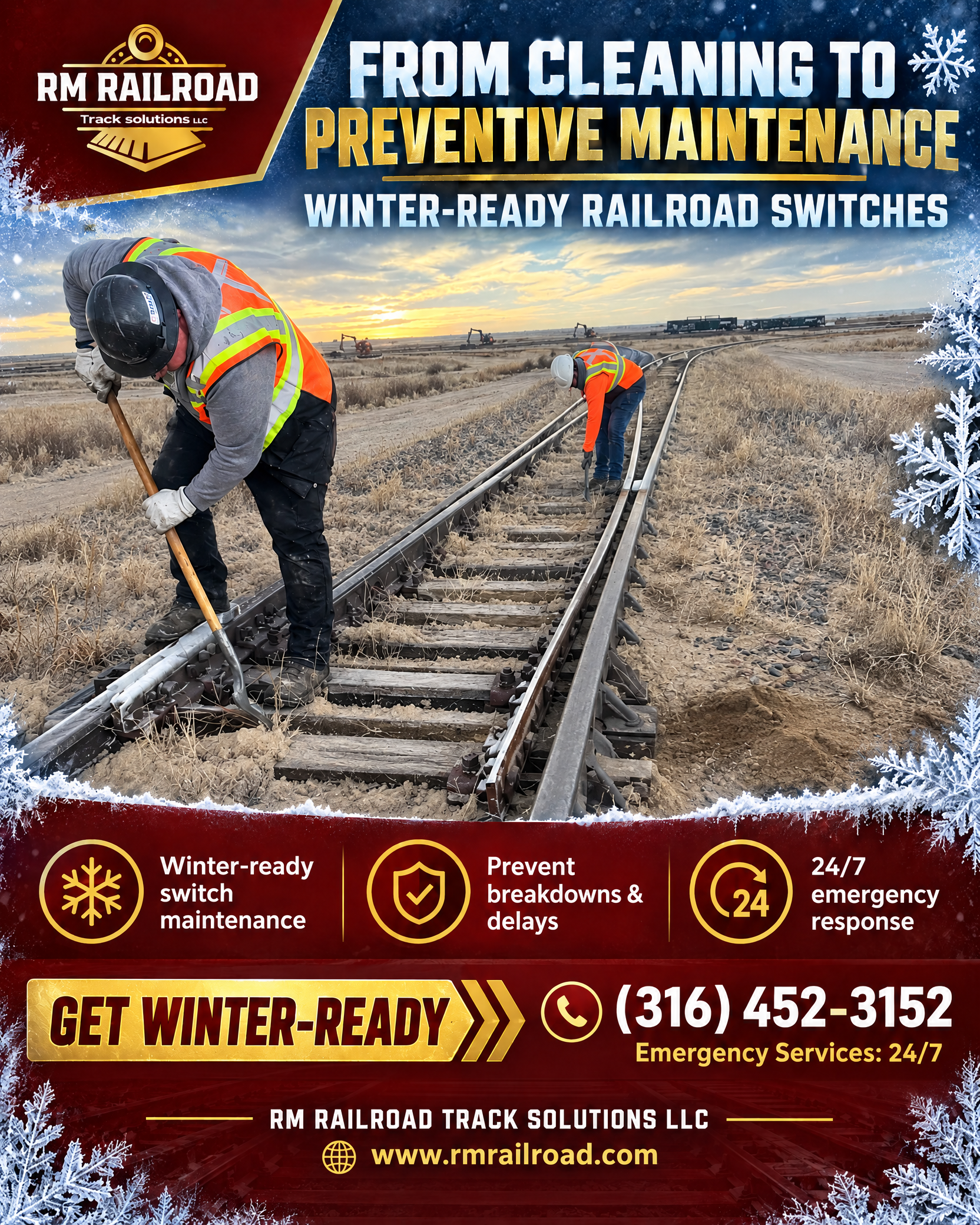

Railroads are one of the most important transportation systems in the world. They move passengers, freight, raw materials, and industrial goods across long distances every day. But like any heavily used infrastructure, railway systems wear down over time. Tracks weaken, materials age, and older systems struggle to meet modern demands. This is where railroad rehabilitation becomes essential.
Instead of building entirely new rail systems, rehabilitation focuses on repairing, upgrading, and strengthening existing infrastructure. According to the Federal Railroad Administration, regular rehabilitation and maintenance are critical for improving rail safety, operational efficiency, and long-term reliability. Without it, aging rail systems can become slower, less efficient, and more expensive to maintain.
Let’s explore what railroad rehabilitation involves and why it plays such a major role in modern transportation.
What Is Railroad Rehabilitation
Railroad rehabilitation is the process of restoring and upgrading existing railway infrastructure to improve safety, stability, and performance. It focuses on repairing worn-out components while extending the lifespan of the rail system.
This process can involve:
- Replacing damaged rails and sleepers
- Restoring ballast and track alignment
- Repairing bridges and drainage systems
- Upgrading signaling and safety equipment
- Strengthening rail foundations for heavier loads
The goal is to improve performance without completely rebuilding the railway from scratch.
Why Railroad Rehabilitation Is So Important
Rail systems face constant pressure from heavy loads, weather conditions, and continuous train movement. Over time, even strong materials begin to weaken.
Proper railroad rehabilitation helps:
- Improve train safety and stability
- Reduce derailment risks
- Increase rail network efficiency
- Extend the life of existing infrastructure
- Lower long-term maintenance costs
For many transportation authorities, rehabilitation is more practical and cost-effective than full replacement projects.
Common Signs a Railroad Needs Rehabilitation
Railway infrastructure usually shows clear signs when upgrades are needed. Engineers regularly inspect systems to identify areas of concern before they become serious safety issues.
Some common warning signs include:
- Uneven or shifting tracks
- Cracked or worn rail surfaces
- Deteriorated wooden or concrete sleepers
- Drainage issues causing water damage
- Frequent maintenance or repair requirements
Ignoring these problems can lead to slower operations and increased safety risks.
The Main Stages of Railroad Rehabilitation
Railroad rehabilitation follows a structured engineering process designed to restore both safety and operational performance.
Track Inspection and Assessment
The first step is evaluating the condition of the rail system.
This includes:
- Measuring track alignment and stability
- Inspecting rail wear and surface damage
- Evaluating ballast condition
- Identifying weak structural sections
Detailed inspections help engineers prioritize repairs effectively.
Removal of Damaged Components
Worn or unsafe materials are removed before upgrades begin.
This stage often includes:
- Replacing damaged rails
- Removing deteriorated sleepers
- Clearing contaminated or unstable ballast
Removing weak materials is necessary to create a stable foundation for rehabilitation.
Track Restoration and Upgrades
Once damaged sections are removed, restoration work begins.
This process may involve:
- Installing new rails and fastening systems
- Adding fresh ballast for stability
- Correcting track alignment and elevation
- Improving drainage systems to prevent water damage
Modern materials are often stronger and more durable than older railway components.
Final Testing and Safety Verification
Before reopening the railway, engineers perform safety and performance checks.
These tests include:
- Measuring track geometry accuracy
- Load testing for structural strength
- Verifying rail stability under train movement
- Inspecting signaling and communication systems
Only after successful testing can the track safely return to service.
Benefits of Railroad Rehabilitation
Rehabilitation projects provide major long-term advantages for transportation systems and surrounding communities.
Key benefits include:
- Improved passenger and freight reliability
- Faster and smoother train operations
- Reduced maintenance interruptions
- Better safety for rail workers and passengers
- Extended infrastructure lifespan
Modern rehabilitation also helps rail systems handle heavier loads and higher traffic volumes more efficiently.
Challenges in Railroad Rehabilitation
Rail rehabilitation projects can be technically demanding because work often happens while parts of the rail network remain active.
Common challenges include:
- Maintaining train operations during repairs
- Working in harsh weather conditions
- Managing aging infrastructure with hidden damage
- Controlling project costs and timelines
- Meeting updated safety and environmental regulations
Careful planning is essential to minimize disruptions and ensure long-term success.
Final Thoughts
Railroad rehabilitation is a critical part of maintaining safe, reliable, and efficient transportation systems. Instead of replacing entire rail networks, rehabilitation strengthens existing infrastructure and prepares it for future demands.
From replacing damaged tracks to improving drainage and safety systems, every step helps extend the life of railways while improving performance. As transportation needs continue growing, rehabilitation projects will remain essential for keeping rail systems strong and dependable.
In the end, a reliable railroad is not just built once. It is continuously maintained, upgraded, and restored to meet the needs of modern transportation.