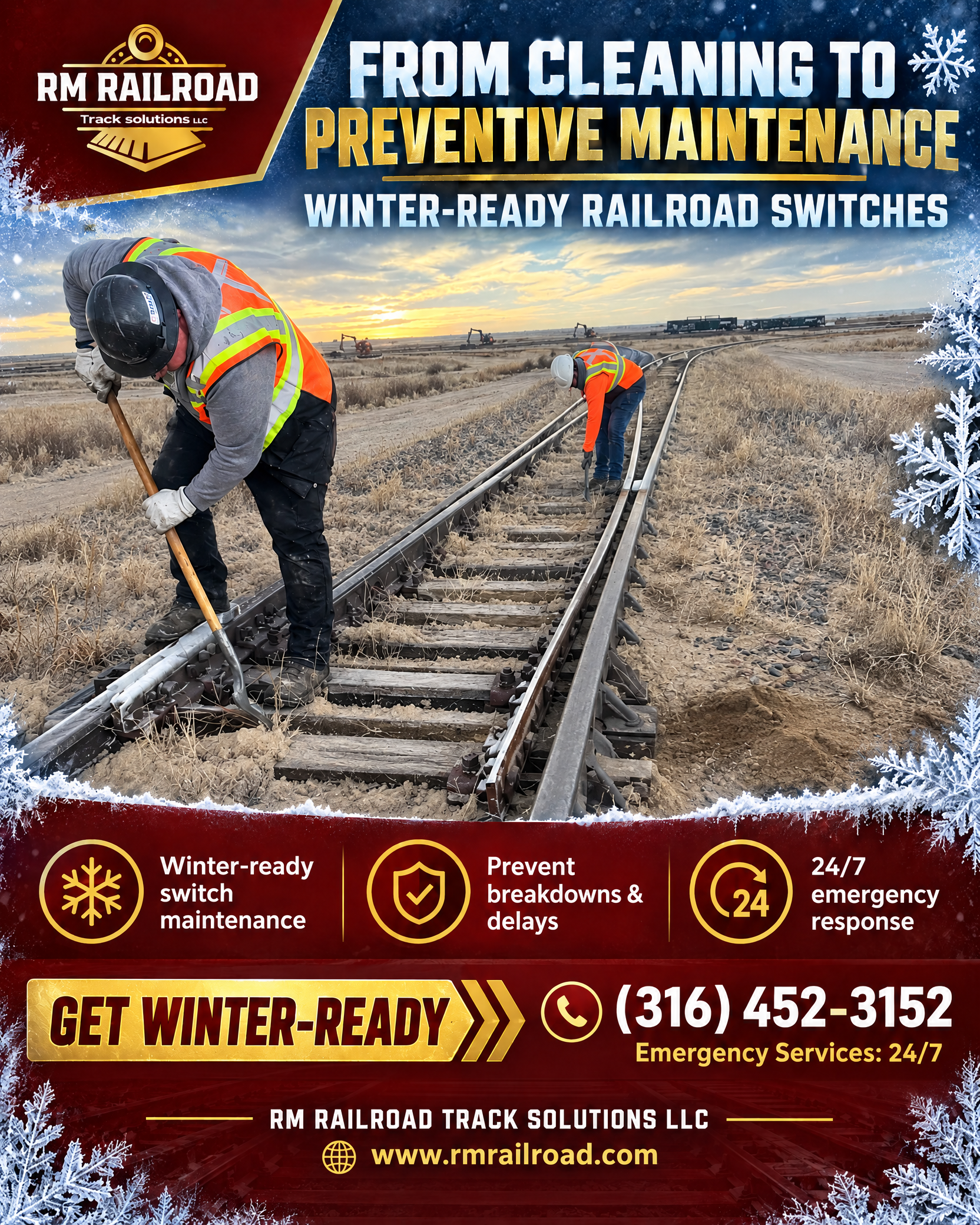

Every train journey depends on one critical factor that most passengers never think about: the condition of the tracks beneath them. Railway systems carry enormous weight every day, often under changing weather conditions and constant operational pressure. That is why railroad track inspection is one of the most important parts of rail safety and maintenance.
Even a small crack, alignment issue, or damaged rail component can create serious risks if left unnoticed. According to the Federal Railroad Administration, regular inspections are essential for preventing derailments and maintaining safe railway operations across passenger and freight networks.
Let’s explore how railroad track inspection works and why it is such a vital part of modern transportation infrastructure.
What Is Railroad Track Inspection
Railroad track inspection is the process of examining railway tracks and related infrastructure to identify wear, damage, or safety issues before they become dangerous.
This inspection process focuses on:
- Rail alignment and stability
- Surface cracks or rail defects
- Ballast and drainage conditions
- Sleepers and fastening systems
- Switches, crossings, and joints
The main goal is to ensure trains can operate safely and efficiently without unexpected failures.
Why Railroad Track Inspection Is So Important
Railway tracks are exposed to continuous stress from heavy trains, vibration, temperature changes, and environmental conditions. Over time, this pressure causes gradual wear.
Regular railroad track inspection helps:
- Prevent derailments and accidents
- Detect damage before it worsens
- Extend the lifespan of rail infrastructure
- Improve train performance and ride quality
- Reduce costly emergency repairs
Without routine inspections, small issues can quickly turn into major safety hazards.
Common Problems Found During Track Inspections
Inspection teams look for a wide range of defects that may affect rail safety or performance.
Some common issues include:
- Cracked or worn rails
- Loose or damaged fasteners
- Uneven track alignment
- Weak or deteriorated sleepers
- Ballast erosion and drainage problems
Environmental conditions like heat, flooding, or freezing temperatures can also affect track stability over time.
How Railroad Track Inspection Is Performed
Modern railroad track inspection combines traditional visual checks with advanced technology to improve accuracy and efficiency.
Visual Inspections
Inspectors physically examine sections of the railway for visible damage or irregularities.
This may involve checking:
- Rail surfaces for cracks or wear
- Alignment consistency
- Condition of joints and crossings
- Stability of surrounding structures
Visual inspections remain an important first step in identifying obvious concerns.
Track Geometry Testing
Specialized equipment measures the exact shape and alignment of the track.
This testing evaluates:
- Rail spacing and gauge
- Elevation and curvature
- Track stability under load
- Surface smoothness for train movement
Precise measurements help identify areas that need adjustment or repair.
Ultrasonic and Advanced Detection Methods
Technology now allows inspectors to find internal defects that are not visible from the outside.
These systems can detect:
- Hidden cracks inside rails
- Metal fatigue and structural weakness
- Early-stage defects before failure occurs
Advanced inspection tools greatly improve railway safety by catching problems early.
Frequency of Railroad Track Inspection
The inspection schedule depends on factors like train traffic, track condition, and rail type. Busy rail corridors require more frequent monitoring.
Tracks may be inspected:
- Daily on high-traffic routes
- Weekly or monthly on lower-use lines
- After severe weather events
- Following repairs or maintenance work
Frequent inspections help ensure ongoing operational safety.
Equipment Used in Railroad Track Inspection
Modern railway inspection teams use a variety of specialized tools and vehicles.
Common equipment includes:
- Track inspection vehicles with sensors
- Ultrasonic testing systems
- Laser alignment measurement tools
- Drones for difficult access areas
- Portable gauges and manual inspection tools
Technology has significantly improved the speed and accuracy of inspections in recent years.
Challenges in Railroad Track Inspection
Inspecting railway systems is complex because tracks often extend across large distances and difficult environments.
Common challenges include:
- Remote or hard-to-access track locations
- Extreme weather conditions
- Heavy rail traffic limiting inspection windows
- Detecting hidden internal rail damage
- Managing aging infrastructure systems
Railway operators must balance inspection schedules with active train operations to minimize disruptions.
Benefits of Regular Railroad Track Inspection
Consistent inspections provide major long-term benefits for both rail operators and passengers.
Key advantages include:
- Improved passenger and freight safety
- Reduced risk of operational delays
- Longer infrastructure lifespan
- Lower maintenance and repair costs
- Better overall railway reliability
Preventive inspection is always more effective and less expensive than emergency repairs after a failure.
Final Thoughts
Railroad track inspection is one of the most important systems protecting modern rail transportation. While passengers may never see the work happening behind the scenes, these inspections help ensure every train can operate safely and efficiently.
From visual assessments to advanced ultrasonic technology, inspection teams continuously monitor railway infrastructure to identify problems before they become dangerous. In a transportation system where precision matters, routine inspections are what keep the entire network moving safely.
In the end, reliable rail travel depends not just on trains and technology, but on the constant inspection and maintenance of the tracks beneath them.