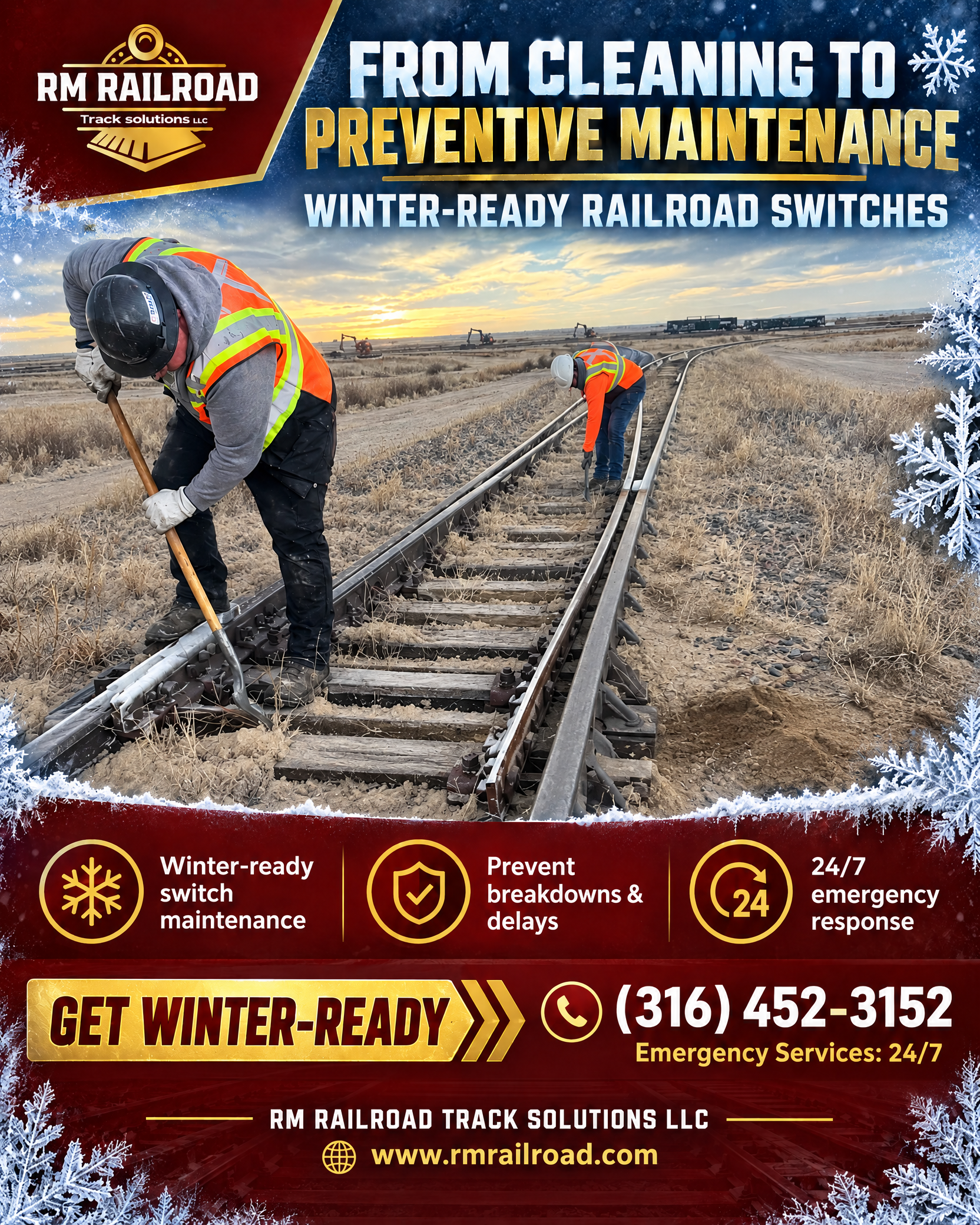

Railroads have been a vital part of transportation for generations, moving millions of passengers and billions of tons of freight every year. While trains often get the spotlight, the tracks, bridges, signals, and supporting systems behind them play an equally important role. Without regular maintenance, even the most advanced rail network can face safety risks, delays, and costly repairs.
Keeping rail infrastructure in excellent condition requires continuous inspection, timely repairs, and long-term planning. According to the Association of American Railroads (AAR), U.S. freight railroads invest billions of dollars annually in maintaining and improving their privately owned rail networks. These investments help ensure reliable service while supporting economic growth and public safety.
Understanding the role of railroad infrastructure upkeep highlights why consistent maintenance is essential for keeping rail systems running smoothly for both passengers and freight.
What Is Railroad Infrastructure?
Railroad infrastructure includes every physical component that allows trains to operate safely.
These components include:
- Railroad tracks
- Rail ties
- Ballast
- Bridges
- Tunnels
- Signals
- Crossings
- Switches
- Drainage systems
- Communication equipment
Each part works together to create a safe and efficient transportation network. If one component fails, it can affect the entire system.
Why Regular Maintenance Matters
Railroads operate under constant stress. Heavy trains, changing weather conditions, and daily use gradually wear down infrastructure.
Routine maintenance helps:
- Improve passenger safety
- Reduce derailment risks
- Prevent unexpected service interruptions
- Extend the lifespan of equipment
- Lower long-term repair costs
Small maintenance tasks completed on time often prevent much larger and more expensive repairs later.
Safety Is the Highest Priority
One of the biggest reasons for investing in the role of railroad infrastructure upkeep is protecting lives.
Railroad inspections help identify issues such as:
- Worn rails
- Loose fasteners
- Damaged ties
- Track misalignment
- Bridge deterioration
Addressing these concerns early helps reduce the likelihood of accidents and service disruptions.
The Federal Railroad Administration (FRA) oversees rail safety regulations in the United States and requires regular inspections to help ensure rail infrastructure meets safety standards.
Preventing Costly Track Failures
Railway tracks experience enormous pressure every day.
Over time, rails can develop:
- Surface cracks
- Metal fatigue
- Uneven wear
- Joint damage
If left untreated, these problems may eventually require extensive repairs or complete rail replacement.
Preventive maintenance helps identify defects before they become serious issues.
Maintaining Railroad Bridges
Railroad bridges often remain in service for decades, making regular inspections especially important.
Maintenance may include:
- Structural inspections
- Steel repairs
- Corrosion control
- Deck replacement
- Foundation monitoring
Many bridges carry thousands of train movements each year, making ongoing maintenance critical for long-term reliability.
Keeping Signals and Communication Systems Reliable
Modern railroads depend heavily on advanced signaling systems.
These systems help:
- Control train movements
- Prevent collisions
- Manage traffic
- Improve scheduling
- Increase operational efficiency
Routine testing ensures that electronic equipment continues functioning properly under all conditions.
Reliable communication systems are just as important as well-maintained tracks.
Ballast and Drainage Play an Important Role
Many people overlook the rocks beneath railroad tracks, known as ballast.
Ballast helps:
- Support track stability
- Distribute train loads
- Improve drainage
- Reduce movement
- Maintain proper alignment
Drainage systems are equally important.
Standing water can weaken the track foundation, increase erosion, and accelerate deterioration.
Regular cleaning of drainage channels helps preserve the entire rail structure.
Technology Is Improving Maintenance
Today’s railroads increasingly use advanced technology to monitor infrastructure.
Examples include:
- Track geometry vehicles
- Drones
- Ultrasonic rail inspections
- Ground sensors
- Artificial intelligence for predictive maintenance
These tools help maintenance teams detect small defects that may not be visible during routine inspections.
According to the Federal Railroad Administration, new inspection technologies continue improving the industry’s ability to identify potential problems before they affect operations.
Seasonal Weather Creates New Challenges
Railroad infrastructure must perform throughout every season.
Maintenance teams prepare for:
- Summer heat expansion
- Winter freezing
- Heavy rainfall
- Flooding
- Snow accumulation
Extreme temperatures can cause rails to expand or contract, while excessive rainfall may damage foundations or wash away ballast.
Seasonal inspections help railroads respond before weather-related problems become major disruptions.
Supporting Freight Transportation
Freight rail remains one of the most efficient methods of transporting large quantities of goods.
Well-maintained infrastructure supports industries such as:
- Agriculture
- Manufacturing
- Construction
- Energy
- Retail
Reliable rail service helps businesses receive raw materials and deliver finished products on schedule.
This is another reason the role of railroad infrastructure upkeep extends beyond transportation and contributes to the broader economy.
Improving Passenger Experience
Passengers often notice comfortable seating and modern train interiors, but smooth travel begins with quality infrastructure.
Properly maintained tracks help provide:
- Smoother rides
- Fewer delays
- Improved reliability
- Better scheduling
- Greater passenger confidence
Consistent maintenance reduces unexpected service interruptions that inconvenience travelers.
Environmental Benefits of Well-Maintained Railroads
Rail transportation is widely recognized for its fuel efficiency, especially when moving large volumes of freight.
According to the Association of American Railroads, freight railroads can move one ton of freight more than 470 miles on a single gallon of fuel, on average.
Keeping infrastructure in excellent condition helps trains operate more efficiently while reducing unnecessary fuel consumption caused by slow orders or track restrictions.
Long-Term Cost Savings
Although maintenance requires continuous investment, delaying repairs usually costs much more.
Preventive maintenance helps avoid:
- Emergency repairs
- Extended service disruptions
- Major infrastructure replacement
- Higher labor costs
- Equipment damage
Planning maintenance strategically allows rail operators to control costs while improving long-term reliability.
The Importance of Skilled Maintenance Teams
Behind every safe railway is a team of trained professionals.
Maintenance crews perform tasks such as:
- Rail inspections
- Welding
- Track alignment
- Bridge repairs
- Signal testing
- Vegetation control
Their work often takes place overnight or during limited maintenance windows to minimize disruptions to train service.
These skilled workers play a vital role in keeping rail systems operating safely every day.
Conclusion
Understanding the role of railroad infrastructure upkeep reveals how much work happens behind the scenes to keep trains moving safely and efficiently. From inspecting tracks and maintaining bridges to upgrading signaling systems and improving drainage, every maintenance activity contributes to a stronger and more reliable rail network.
As rail transportation continues supporting passenger travel and global commerce, ongoing infrastructure maintenance remains one of the smartest investments rail operators can make. By focusing on preventive care, embracing new technologies, and prioritizing safety, railroads can continue serving communities and businesses efficiently for generations to come.