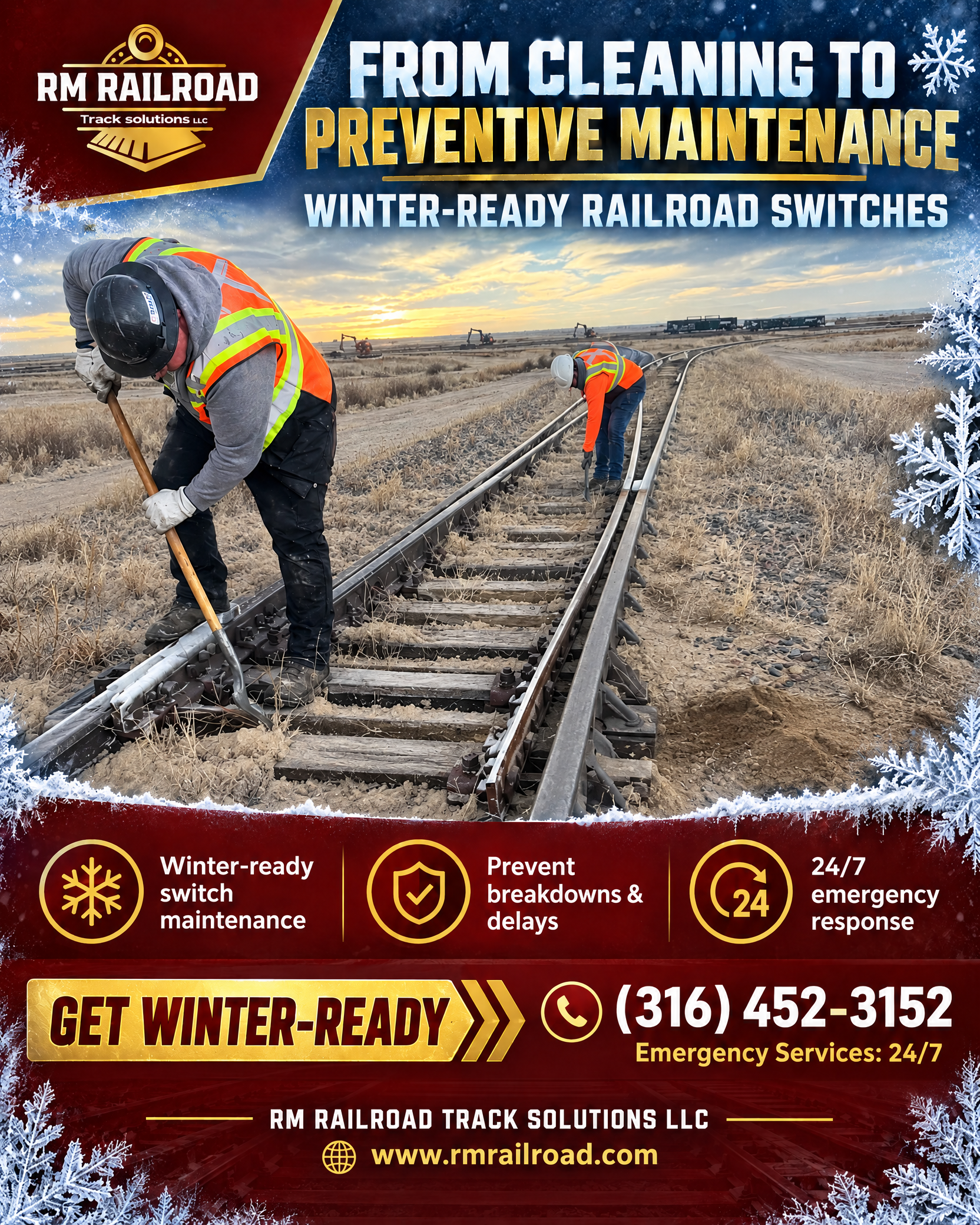

Rail operations run on tight schedules. A small disruption can ripple across the network and turn into hours or even days of delays. Whether it is freight shipments, passenger services, or industrial rail systems, reliability is everything. That is exactly why professional railroad services reduce operational delays and help keep rail systems moving smoothly.
If you have ever wondered what separates efficient rail operations from constantly delayed ones, the answer often comes down to expertise, planning, and proper execution. Let us break it down in a simple, practical way.
The Hidden Cost of Operational Delays in Rail Systems
Operational delays are not just inconvenient. They are expensive. Delays can affect supply chains, customer trust, and overall safety.
According to the Association of American Railroads, rail delays can cost freight operators thousands of dollars per hour due to idle equipment, missed delivery windows, and crew overtime. For passenger rail, delays directly impact ridership satisfaction and public confidence.
Understanding these risks helps explain why professional railroad services reduce operational delays and protect both revenue and reputation.
What Are Professional Railroad Services
Professional railroad services cover a wide range of specialized activities. These services are typically delivered by trained and certified teams with deep industry experience.
They often include:
-
Track inspection and maintenance
-
Signal system installation and repair
-
Rail construction and rehabilitation
-
Switching and yard management support
-
Safety compliance and audits
Unlike general contractors or in house teams with limited scope, professional providers focus exclusively on rail operations. This specialization is key to reducing downtime.
Expertise That Prevents Small Problems From Becoming Big Ones
Rail infrastructure is complex. Minor issues like track misalignment, worn components, or signal inconsistencies can quickly escalate if overlooked.
Professional railroad teams are trained to spot early warning signs. They know what to look for and how to fix issues before they interrupt operations.
This proactive approach is one of the strongest reasons why professional railroad services reduce operational delays instead of reacting to breakdowns after they happen.
Scheduled Maintenance Keeps Trains Moving
One of the most common causes of rail delays is deferred maintenance. When repairs are postponed, systems become more vulnerable to failure.
Professional services emphasize planned maintenance schedules that minimize disruption. Work is often coordinated during low traffic windows or off peak hours.
Benefits of scheduled maintenance include:
-
Fewer emergency shutdowns
-
Predictable service windows
-
Improved asset lifespan
-
Better safety outcomes
This structured planning plays a major role in keeping rail operations on schedule.
Advanced Technology and Diagnostic Tools
Professional railroad service providers use specialized tools and technologies that are not always available to smaller teams.
These may include:
-
Track geometry measurement systems
-
Ultrasonic rail testing
-
Automated inspection vehicles
-
Real time monitoring software
The Federal Railroad Administration has highlighted how advanced inspection technologies help identify defects earlier and reduce service interruptions. This technology driven insight is another reason why professional railroad services reduce operational delays more effectively than reactive methods.
Compliance With Safety and Regulatory Standards
Rail operations are heavily regulated. Non compliance can lead to shutdowns, fines, and forced repairs that cause major delays.
Professional railroad service providers stay current with federal and regional regulations. They understand inspection requirements, documentation standards, and safety protocols.
When compliance is handled correctly from the start, operations face fewer surprise interruptions. This regulatory confidence directly supports smoother and more reliable rail service.
Skilled Crews and Efficient Project Management
Rail work requires coordination between crews, equipment, and operations teams. Poor communication can slow projects and disrupt schedules.
Professional railroad services rely on experienced crews who understand rail environments. They follow clear processes and timelines.
Strong project management helps ensure:
-
Work is completed on schedule
-
Crews are properly trained and certified
-
Resources are allocated efficiently
This organized execution is a practical reason why professional railroad services reduce operational delays during both routine work and large scale projects.
Faster Response During Emergencies
Even with the best planning, unexpected issues can occur. Weather events, equipment failures, or accidents can disrupt rail operations.
Professional railroad service providers are equipped to respond quickly. They have the tools, personnel, and experience to stabilize situations and restore service faster.
Rapid response reduces downtime and limits the spread of delays across the network. This readiness is something in house or untrained teams often struggle to match.
Improved Coordination With Rail Operators
Professional service providers work closely with rail operators to align maintenance and construction activities with operational needs.
This coordination helps:
-
Reduce conflicts with train schedules
-
Improve communication during work windows
-
Adjust plans quickly if conditions change
Clear coordination reduces confusion and keeps everyone working toward the same goal. It is another subtle but powerful reason why professional railroad services reduce operational delays.
Long Term Reliability and Cost Control
Reducing delays is not just about today. It is about building a system that performs reliably over time.
Professional railroad services focus on long term infrastructure health. Proper installation, quality materials, and precise workmanship all contribute to fewer failures down the line.
While professional services may seem like a higher upfront investment, they often lower total operating costs by reducing emergency repairs, service disruptions, and asset replacement.
Conclusion: Reliability Starts With Professional Support
Rail systems depend on precision, planning, and experience. Delays are costly, disruptive, and often preventable with the right approach.
Why professional railroad services reduce operational delays comes down to proactive maintenance, skilled crews, advanced technology, and strong coordination. These services do not just fix problems. They prevent them.
For rail operators focused on efficiency, safety, and long term performance, professional railroad services are not optional. They are essential to keeping operations on track and delays to a minimum.