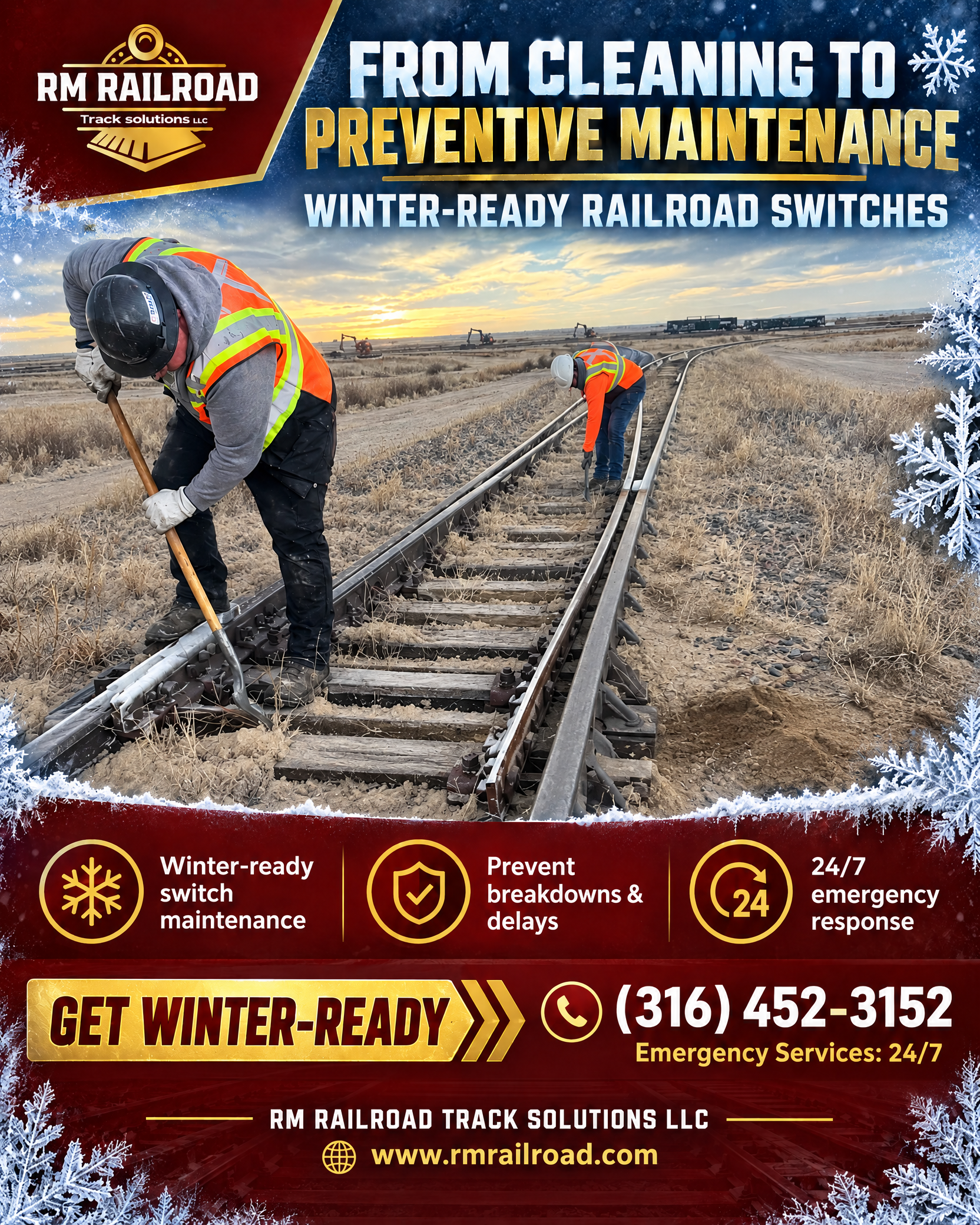

Railroads have been a vital part of transportation for generations, moving people and goods efficiently across cities, states, and countries. From delivering essential products to supporting passenger travel, rail networks keep economies moving every day. However, none of this would be possible without regular inspections, repairs, and upgrades. Understanding why railroad maintenance matters helps explain why ongoing maintenance is one of the most important investments in the rail industry.
Whether it’s replacing worn tracks, inspecting bridges, or maintaining signaling systems, every maintenance task contributes to safer and more dependable rail operations.
The Importance of Railroad Maintenance
Railroad infrastructure operates under constant stress. Heavy freight trains, changing weather conditions, and daily passenger traffic all place significant pressure on tracks and equipment.
According to the Association of American Railroads (AAR), U.S. freight railroads invest billions of dollars annually in maintaining and improving their rail networks. These investments help keep rail systems safe, efficient, and capable of handling growing transportation demands.
When people understand why railroad maintenance matters, they also recognize that consistent upkeep benefits both the rail industry and the communities it serves.
Safety Is the Top Priority
Safety is the primary reason regular railroad maintenance cannot be overlooked.
Routine inspections help identify problems before they become serious hazards.
Maintenance crews regularly inspect:
- Rails
- Crossings
- Bridges
- Signals
- Switches
- Ballast
- Fasteners
Addressing wear and damage early reduces the risk of derailments and equipment failures.
A well-maintained railway creates a safer environment for train operators, passengers, railroad employees, and nearby communities.
Preventing Costly Repairs
Small maintenance issues rarely stay small if ignored.
For example:
- Minor rail cracks can expand over time.
- Loose fasteners may affect track stability.
- Drainage problems can weaken the track foundation.
- Worn switches can disrupt train operations.
Routine maintenance allows repairs to be completed before they require expensive emergency replacements.
Preventive maintenance is almost always more affordable than major reconstruction.
Improving Reliability
Rail transportation depends on consistent schedules.
When tracks and equipment receive regular maintenance, trains experience fewer unexpected delays caused by mechanical failures or track defects.
Reliable rail systems benefit:
- Freight companies
- Manufacturers
- Retail businesses
- Daily commuters
- Long-distance travelers
Keeping trains on schedule improves customer confidence and supports economic activity.
Extending Infrastructure Lifespan
Railroad infrastructure represents a significant long-term investment.
Proper maintenance helps extend the lifespan of:
- Steel rails
- Wooden and concrete ties
- Bridges
- Tunnels
- Signaling equipment
- Crossings
Rather than replacing entire sections prematurely, regular inspections and repairs maximize the value of existing infrastructure.
This is another important reason why railroad maintenance matters for transportation systems around the world.
Supporting Economic Growth
Railroads move enormous quantities of freight every year, including:
- Food products
- Construction materials
- Agricultural goods
- Vehicles
- Consumer products
- Industrial equipment
When rail systems operate efficiently, businesses receive products on time and supply chains remain stable.
Reliable rail transportation also helps reduce shipping costs compared to some other transportation methods.
Strong infrastructure supports stronger economies.
Reducing Service Interruptions
Unexpected track failures can disrupt entire rail networks.
Maintenance crews work proactively to minimize disruptions through:
- Scheduled inspections
- Track resurfacing
- Rail grinding
- Signal testing
- Vegetation management
Planning repairs before failures occur helps maintain dependable service for both freight and passenger trains.
Passengers appreciate fewer delays, while businesses benefit from predictable delivery schedules.
Technology Has Improved Railroad Maintenance
Modern railroads rely on advanced technology to identify potential problems earlier than ever before.
Today’s inspection methods include:
- Track geometry vehicles
- Ultrasonic rail testing
- Drones for bridge inspections
- Automated track monitoring
- Thermal imaging systems
These technologies help maintenance teams detect hidden defects that may not be visible during routine visual inspections.
Earlier detection often leads to safer and more efficient repairs.
Environmental Benefits
Well-maintained railroads contribute to environmental sustainability.
Efficient rail systems help:
- Reduce fuel consumption
- Lower greenhouse gas emissions
- Minimize unnecessary delays
- Improve operational efficiency
According to the International Energy Agency (IEA), rail transport generally produces lower carbon emissions per passenger and per ton of freight compared with many road transportation options.
Reliable infrastructure helps maximize these environmental advantages.
Weather Makes Maintenance Even More Important
Railroads operate in all kinds of weather.
Maintenance teams prepare for challenges such as:
- Heavy rainfall
- Flooding
- Snow and ice
- Extreme heat
- Freezing temperatures
Weather can affect track alignment, bridge stability, and drainage systems.
Regular inspections help identify weather-related damage before it affects train operations.
Protecting Railroad Workers and Communities
Maintenance benefits more than trains alone.
Safe infrastructure protects:
- Railroad employees
- Maintenance crews
- Drivers at railroad crossings
- Nearby residents
- Passengers
Properly functioning warning signals and crossing equipment reduce the risk of accidents involving vehicles and pedestrians.
Investing in maintenance improves public safety across entire communities.
Compliance With Industry Standards
Railroad operators must meet strict safety regulations established by transportation authorities.
Routine maintenance helps ensure compliance through:
- Track inspections
- Equipment testing
- Documentation
- Safety audits
- Preventive maintenance programs
Meeting these standards supports safe operations while helping avoid regulatory penalties.
Professional maintenance also demonstrates a commitment to responsible transportation management.
Planning for Future Growth
Freight volumes and passenger demand continue to evolve.
Maintaining existing infrastructure prepares rail networks for future expansion.
Modernization projects often include:
- Upgraded signaling systems
- Stronger bridges
- Improved crossings
- Additional track capacity
- Enhanced safety technologies
Long-term maintenance planning allows railroads to grow without compromising safety or reliability.
Understanding why railroad maintenance matters includes recognizing its role in supporting tomorrow’s transportation needs as well as today’s.
Final Thoughts
Understanding why railroad maintenance matters helps us appreciate the work that keeps trains moving safely and efficiently every day. Regular inspections, preventive repairs, and modern maintenance technologies reduce accidents, extend the life of valuable infrastructure, improve reliability, and support economic growth.
Whether transporting passengers or delivering essential goods across the country, railroads depend on consistent maintenance to perform at their best. By investing in proactive care today, railway operators create safer, more dependable transportation systems that benefit businesses, communities, and future generations alike.